The Psychological Fascination with Rolling Odd Numbers Against the Odds
Human perception of numbers has always been deeply rooted in subconscious patterns, cognitive biases, and emotional associations. When players engage in tabletop games or games of chance, odd numbers often provoke a distinct psychological response compared to their even counterparts. Exploring why rolling an odd number feels inherently unpredictable unveils fascinating insights into human decision-making and risk assessment.
The Cognitive Perception of Odd Numbers
Psychologists have long noted that people naturally view odd numbers as less static and more dynamic than even numbers. Because even numbers divide neatly by two, they represent symmetry, balance, and stability in our minds. In contrast, odd numbers project a sense of friction and asymmetry that heightens anticipation during gameplay.
This mental friction often leads players to misjudge probability, perceiving odd outcomes as rarer or more elusive than they actually are. On a standard six-sided die, the odds of rolling an odd number are exactly fifty percent. Yet, the brain frequently treats odd results as unexpected anomalies rather than mathematical equals.
Pattern Recognition and the Gamblers Fallacy
The human mind is constantly searching for patterns, even in environments governed by pure randomness. When a sequence of even outcomes occurs, players frequently develop an irrational expectation that an odd number is overdue. This cognitive trap leads individuals to take bolder risks based on an illusion of narrative balance.
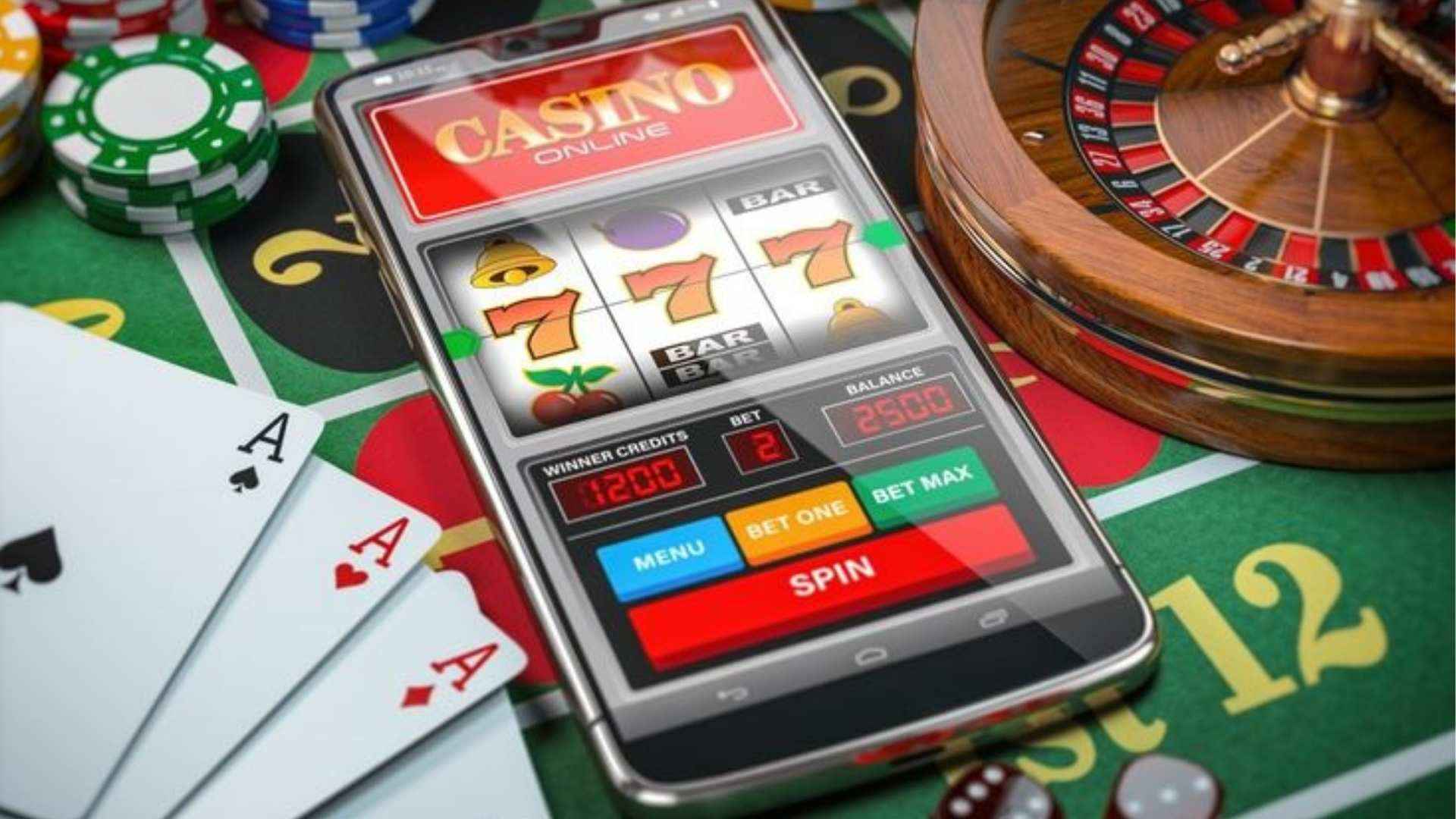
In digital gaming environments, similar psychological triggers influence how players respond to random visual mechanics like a modern m88 slot feature. Understanding these behavioral patterns highlights how deeply ingrained our bias toward numerical variance really is. Ultimately, recognizing these biases helps players maintain a more grounded, rational perspective during gaming sessions.
Asymmetry and Risk Perception in Tabletop Play
In strategic dice games, designers often leverage the psychological weight of odd numbers to build tension. Rules that assign unique penalties or rewards to odd rolls tap directly into a player's innate perception of instability. Because odd numbers feel less predictable, landing on one creates a sharper emotional peak during competitive play.
This heightened emotional response reinforces memory retention, making players remember dramatic odd rolls far more vividly than routine even ones. Over time, this selective memory creates a persistent belief that odd numbers appear against the odds. Balancing emotional excitement with mathematical reality remains one of the most compelling aspects of probability-based gaming.