Table Games That Challenge Every Mind
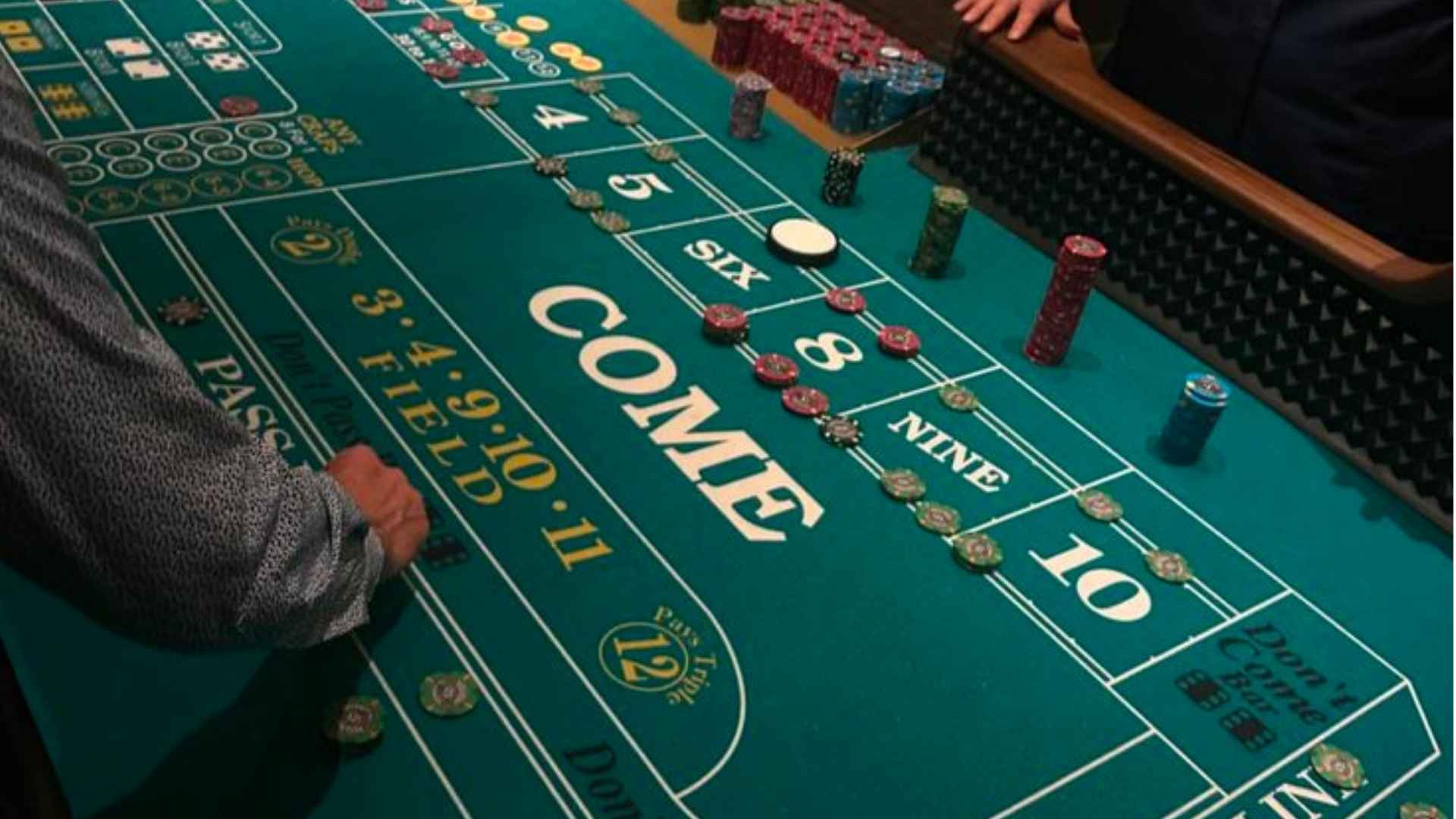
In an era dominated by rapid digital transformations, gathering around a physical or virtual table to play games remains highly popular for those seeking a true mental workout. Unlike passive screen time, engaging with strategic tabletop systems forces players to slow down, analyze their options logically, and adapt to unpredictable variables. These games offer an excellent environment for cognitive development, stimulating critical thinking, forward planning, and problem-solving skills across all age groups.
The Cognitive Power of Tactical Board Games
Modern board games have evolved far beyond simple roll-and-move mechanics, now requiring deep spatial awareness and long-term resource management. Players must constantly evaluate their opponents' potential moves while optimizing their own development paths to secure a victory. This constant mental balancing act helps strengthen executive brain functions and improves overall working memory capacity.
Furthermore, these strategic games teach players how to manage risk and make calculated decisions under pressure. By exploring different tactical setups, individuals learn to view complex challenges from multiple angles, which translates directly into better real-world problem-solving abilities. Regularly facing these friendly academic puzzles keeps the mind sharp and encourages a healthy habit of lifelong learning.
Sharpening Decision-Making Through Card Strategy
Classic and modern card games offer another highly effective way to challenge the human mind through probability analysis and psychological profiling. Players must keep track of played cards, calculate the likelihood of future draws, and read the subtle behavioral cues of their opponents. This combination of mathematical logic and human intuition makes card-based table games exceptionally intellectually stimulating.
Engaging in these tactical card battles also teaches valuable lessons about emotional control and risk assessment. For those looking to test their tactical skills in a highly dynamic digital environment, finding the right platform is key. You can access a secure and reliable portal via Link M88 to explore various strategy-focused gaming options. Practicing these games helps build mental resilience, as players learn to adapt their strategies when faced with unexpected outcomes.
How Spatial Puzzles Build Mental Agility
Tile-placement games and physical spatial puzzles offer a unique cognitive challenge by focusing heavily on visual-spatial reasoning and pattern recognition. Players must fit different geometric shapes together or build complex networks while projecting how the table layout will change several turns in advance. This type of mental simulation is fantastic for improving spatial planning and cognitive flexibility.
Additionally, these puzzles require players to remain highly patient and disciplined throughout the session. Because one hasty placement can disrupt an entire long-term plan, success depends entirely on careful observation and methodical execution. By encouraging players to slow down and think before they act, spatial table games provide a refreshing and mindful escape from our fast-paced daily routines.